


Stay Healthy After 65: Vital Tips for Wellness and Longevity

Reaching the age of 65 is a significant milestone that signifies not just a transition into retirement, but the dawn of a new, potentially vibrant chapter of life. Modern medical advancements and a deeper understanding of human biology mean that the later decades are no longer defined by inevitable decline. Instead, this period offers an opportunity for mastery over your health, allowing you to prioritize the activities and relationships that truly matter. Embracing wellness after 65 requires a strategic, multifaceted approach that addresses physical vitality, mental clarity, and social connectivity. By taking control of your health journey now, you set the stage for a decade, or several, of high-quality living.
The Pillars of Physical Vitality
Physical health serves as the bedrock upon which all other aspects of your life are built. As the body undergoes natural changes, your approach to fitness and nutrition must evolve to support sustained energy and mobility. The goal is not just to reach a specific age, but to remain functional, independent, and pain-free for as long as possible.
Why You Must Stay Active
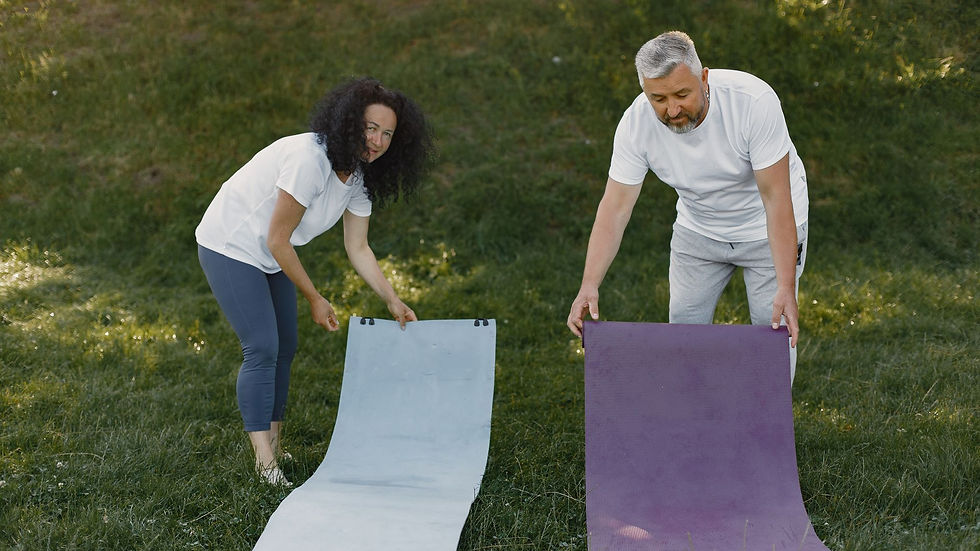
Many people mistakenly believe that their golden years are a time to slow down, but the opposite is true. To maintain muscle mass, bone density, and cardiovascular health, you must stay active every single day. Exercise does not have to mean high-intensity training, but it must be consistent. Resistance training, for example, is essential for preserving the lean muscle mass that naturally declines with age. Furthermore, staying active improves balance, which is the most effective way to prevent falls, the leading cause of injury among seniors. Consider low-impact activities like swimming, walking, or yoga, which provide significant benefits without putting excessive stress on your joints.
Managing Nutrition and Losing Weight
Metabolism inevitably shifts as we age, making weight management more complex than it was in our thirties. However, losing weight, if necessary, is crucial for reducing strain on the heart, joints, and metabolic systems. The secret lies in focusing on nutrient density rather than simple calorie restriction. Incorporating more fiber, high-quality proteins, and healthy fats will keep you satiated and provide the fuel your body needs to repair tissues. When you prioritize whole foods over processed alternatives, you naturally regulate your insulin levels, which supports a healthy body composition. Always consult with a healthcare professional before beginning any significant dietary overhaul to ensure your plan aligns with your specific health history.
Clinical Wellness and Preventive Care
An authoritative approach to health after 65 requires a proactive rather than reactive stance. You should view your healthcare provider as a partner in your long-term success. Leveraging available resources can help you catch potential issues before they manifest as serious illnesses.
Utilizing Preventive Medicare Benefits
One of the most powerful tools available to you is Preventive Medicare. Many individuals fail to utilize the full range of screenings and wellness visits covered under their plans. These appointments are designed to identify markers of chronic conditions early. Annual wellness visits are the ideal time to discuss your health trajectory, update your screenings, and ensure that your medications are managed effectively. Skipping these visits is a lost opportunity to optimize your health. Treat these appointments as non-negotiable sessions aimed at maintaining your baseline wellness.
Effective Strategies for Heart Health
Heart disease remains a leading concern for seniors, but it is often manageable with the right interventions. A primary goal is keeping your cardiovascular system resilient by focusing on ways to lower blood pressure. High blood pressure acts as a silent strain on your arteries, increasing the risk of stroke and heart attack. By reducing sodium intake, engaging in regular aerobic exercise, and practicing stress-management techniques like mindfulness, you can achieve and maintain lower blood pressure. Tracking your numbers at home provides valuable data that you can share with your doctor, allowing for precise adjustments to your wellness plan.
The Power of Connection and Purpose
Physical health cannot be separated from psychological and social health. Loneliness and social isolation are often cited as significant risk factors for cognitive decline and depression in older adults. Therefore, investing in your social architecture is just as important as investing in your physical fitness.
The Impact of Community Involvement
Human beings are wired for connection. Engaging with your neighborhood, volunteering for a cause you care about, or participating in local hobby groups provides a vital sense of belonging. Community involvement offers a unique form of mental stimulation that solitary activities simply cannot replicate. It keeps your mind sharp, exposes you to new perspectives, and provides a sense of purpose that fuels daily motivation. Whether you are mentoring younger professionals, joining a book club, or working in a community garden, the act of giving back or sharing space with others strengthens your psychological resilience.
Mental Stimulation and Lifelong Learning
The brain requires consistent exercise just like the muscles do. Challenging your cognitive functions through learning new skills is one of the most effective ways to preserve mental acuity. Whether you decide to learn a new language, take up a musical instrument, or study a new subject, these activities build cognitive reserve. This reserve acts as a buffer, helping to maintain high levels of brain function even as you age. Keep your mind curious, ask questions, and seek out new environments to keep your intellectual engine running smoothly.
Frequently Asked Questions
Is it safe for me to start a new exercise routine at 65?
It is generally safe and highly encouraged, but you should always consult your primary care physician before beginning a new regimen. Start slowly with low-impact movements to assess your mobility and listen to your body to avoid overexertion.
How can I effectively lower blood pressure without relying solely on medication?
You can often improve blood pressure readings by reducing processed food intake, increasing your daily steps, and practicing stress-reduction techniques such as deep breathing or meditation. Combining these lifestyle changes with doctor-supervised monitoring is the most effective approach to cardiovascular wellness.
Why is Preventive Medicare so important for my longevity?
Preventive Medicare visits are designed to detect potential health issues before they become chronic or acute emergencies. By attending these appointments, you gain access to screenings and early intervention strategies that are essential for long-term health maintenance.
What are the best ways to stay socially connected as I get older?
Focus on activities that place you in regular contact with others, such as community involvement or local hobby clubs. Building consistent routines around social events ensures that you remain engaged and connected to your local community, which significantly improves overall well-being.
Building Your Personalized Longevity Plan
To truly thrive after 65, you need to synthesize these principles into a plan that works for your unique lifestyle. Start by performing a self-audit of your current habits. Are you getting enough movement? Is your diet supporting your energy needs? Are you actively seeking social connections? Take these insights and create a small, incremental goal for each area of your life. For instance, decide to walk for fifteen minutes daily, schedule one social outing per week, and prioritize your next preventive health screening.
Longevity is rarely the result of a single monumental change. Instead, it is the cumulative effect of small, intentional decisions made daily. By focusing on physical activity, weight management, blood pressure control, and deep community involvement, you are doing more than just aging; you are flourishing. You possess a wealth of experience, and your later years should be defined by the freedom to apply that wisdom toward a healthy, vibrant life. Your commitment to these wellness strategies will ensure that you remain a vital and active participant in the world around you.
Take the first step today by reviewing your current health habits and reaching out to your primary care provider to schedule your next wellness visit. The future belongs to those who actively prepare for it, and by investing in your well-being now, you are securing the quality of life you deserve. Stay curious, stay connected, and remain committed to the process of living well at every stage of your journey.

Comments